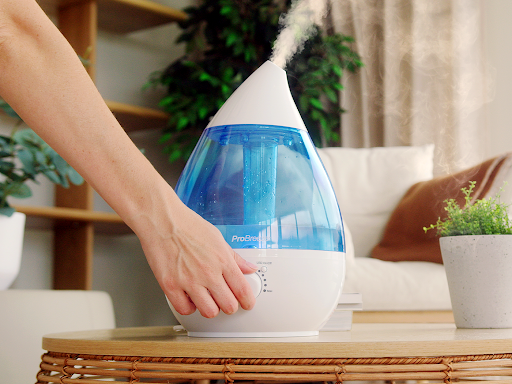
Humidifiers and nursery filters often make parents feel proactive, and in many cases they can be useful tools for comfort and air quality. But they also create a common misunderstanding: families may assume that if a nursery has a humidifier and a filter, the room is automatically safer overall. In reality, these devices only help if they are used correctly, cleaned properly, and understood within the larger context of lead prevention. Humidifiers do not remove lead from surfaces or air by default, and filters vary enormously in what they are designed to capture. That means a nursery can feel “protected” while still missing the everyday lead pathways that matter most.
The Home Products page is useful here because it helps parents think of devices as part of a system rather than a substitute for basic environmental habits. The bigger goal is not gadget confidence. It is reducing actual exposure routes—especially dust, old paint, contaminated surfaces, and unsafe water habits in older homes and apartments.
Humidifiers help comfort, not lead removal
A humidifier may help with dryness, congestion, and comfort in a nursery, but it should not be treated as a lead-control device. If the nursery contains lead dust from old painted windows, deteriorating trim, or tracked-in soil, the humidifier does not solve that underlying issue. The more important nursery actions are still cleaning, maintaining painted surfaces, and reducing accessible dust pathways.
The Lead Basics for Parents page is a good reminder that the biggest lead pathways are usually physical contact routes—hands, floors, dust, and objects—not just “air quality” in a broad sense.
Water source matters in humidifiers too
Parents should also think about what goes into the humidifier. In older buildings or homes where water quality and plumbing age are concerns, the water source matters. While a humidifier is not the same as preparing a bottle, it is still a device that aerosolizes or evaporates water into the nursery environment depending on how it works. The safest routine is usually to follow the device manufacturer’s guidance and think carefully about overall water quality habits in the home.
The Water & Formula Safety section is relevant because it helps families build better overall habits around plumbing age, cold-water use, and confidence in what their household water is touching and doing.
Cleaning the device matters a lot
A poorly maintained humidifier can become a different kind of problem even if lead is not the main concern. Nursery devices need regular cleaning and proper water-handling habits. Parents should not let the idea of a “health device” become an excuse to skip maintenance.
Nursery filters need the right expectation
Air filters can help with airborne particles, but not every filter addresses the same things. A filter that helps with general particulates does not replace wet cleaning, dust control, and careful maintenance of painted surfaces. Parents often buy a filter hoping it will solve an older-building problem that actually lives on windowsills, trim, floors, and toys. Filters can support a healthier room, but they should be part of a bigger plan rather than the entire plan.
The CDC’s guidance on choosing home water filters is specifically about water filters, not nursery air units, but it illustrates an important general principle: families need to know what a filter is actually designed to do rather than assuming “filter” means universal protection.
Lead prevention in the nursery is still mostly about surfaces
For a baby, the nursery is not primarily an air space. It is a touch space. Floors, cribs, rails, toys, books, changing surfaces, rugs, and windows matter more than almost anything else. That is why the nursery lead-prevention basics still come back to wet cleaning, keeping painted surfaces intact, avoiding uncertain products, washing baby hands, and paying attention to what the baby mouths or handles repeatedly.
The Pregnancy & Baby Exposure page is useful here because it keeps that baby-level perspective in view. The baby’s route of exposure is still usually hands and mouth, not abstract room air.
What safe use really looks like
Safe use of humidifiers and nursery filters means using them as support tools, not as the whole safety strategy. Clean the humidifier as directed. Change filters on schedule. Avoid placing devices where they encourage hidden moisture or dust buildup. Keep nursery surfaces easy to clean. Focus on floors, windows, toys, and chewing surfaces first. In older homes, think of devices as helpful but secondary to the big exposure questions the room already has.
If you want help putting nursery devices into a broader lead-safe routine, the contact page is the next step. For general household lead guidance, the EPA’s recommendations to reduce lead exposure and the CDC’s lead prevention resources are strong references.
The takeaway
Humidifiers and nursery filters can be useful, but they are not automatic lead-protection devices. Humidifiers need proper water and cleaning routines, and filters only help with what they are actually designed to capture. Neither replaces the basics of dust control, safe surfaces, and smarter daily habits.
The safest nursery is not the one with the most gadgets. It is the one where parents understand what the devices do, what they do not do, and which lead pathways still matter most anyway.