How to set up a lead-safe play area
A lead-safe play area is not about expensive specialty products…
Our content is built on trusted research and expert recommendations, helping parents understand lead exposure risks through accurate, easy-to-follow guidance.
Lead safety doesn't have to be complicated. We provide realistic, actionable tips that fit into your daily routine, helping you reduce potential lead exposure through simple changes at home and in everyday life.
Learn how to identify common sources of lead in older homes, household products, water systems, and surrounding environments. Our guidance helps parents create safer living spaces for babies and young children.
Welcome to Lead Free Baby, your calm, research-backed guide to reducing your baby’s lead exposure in simple, everyday ways. Parenting in a city with older buildings, busy streets, and diverse products can feel overwhelming.
Lead Free Baby is here to provide clear, practical guidance, no panic, no judgment, and no overly technical language.
Welcome to Lead Free Baby, your calm, research-backed guide to reducing your baby’s lead exposure in simple, everyday ways. Parenting in a city with older buildings, busy streets, and diverse products can feel overwhelming. Lead Free Baby is here to provide clear, practical guidance, no panic, no judgment, and no overly technical language.
This site is designed for modern parents who want to protect their babies and toddlers by understanding how lead can appear in daily life and how small, manageable steps can make a meaningful difference. We cover everything from water, formula, and household dust to toys, spices, imported goods, paint, soil, and consumer products. Our focus is on translating science and public-health guidance into straightforward, actionable routines that parents can trust.
Lead Free Baby is not a fear-based resource. Instead, it empowers parents with knowledge, helping families make informed choices in ways that fit naturally into their daily routines. Whether you’re expecting a baby, caring for a newborn, or navigating toddler years, our goal is to give you confidence that you can reduce exposure without stress.
Every recommendation on Lead Free Baby is inspired by trusted research and public health information. We transform scientific findings into easy-to-understand advice, helping parents make informed decisions without having to navigate complex studies or technical terminology.
Protecting your child from lead exposure does not require major lifestyle changes. We focus on practical, everyday habits that parents can easily adopt, from improving household cleaning routines to making safer choices when purchasing products for their families.
Lead can be present in places many parents never expect. Our resources help families identify potential sources of exposure, including drinking water, household dust, aging paint, soil, toys, spices, imported goods, and consumer products commonly found in everyday environments.
Lead Free Baby believes that education should empower, not alarm. We provide balanced information that helps parents understand risks while focusing on realistic solutions. Our goal is to replace uncertainty with confidence and practical knowledge.
Whether you are expecting your first child, caring for a newborn, or raising an active toddler, our guidance is designed to support your family's changing needs. We provide age-appropriate information that helps parents create safer environments throughout early childhood.
Our mission is to make lead-safety information accessible and actionable. By breaking down complex topics into simple steps, we help parents build healthy routines that naturally fit into daily life while supporting their child's growth, development, and well-being.
Even in 2025, lead remains a concern for parents, particularly in older buildings or urban environments. Modern regulations have drastically reduced lead in new construction, plumbing, and consumer products, but legacy exposures still exist. That’s why parents need to be aware of potential sources and take practical precautions.
Lead can persist in paint, dust, plumbing, soil, and certain imported goods, often long after a home has been renovated. Many families are surprised to learn that daily routines, cooking in old cookware, preparing formula in pipes that haven’t been flushed, or playing with imported toys, can introduce trace amounts of lead. It doesn’t mean something is broken or unsafe; it simply means awareness allows parents to reduce exposure effectively.
In older urban homes, like NYC brownstones or co-ops, legacy plumbing and paint may be present. Even when the building has been updated, dust from previous construction or paint layers can remain. Understanding this helps families take manageable precautions without overreacting.
Lead exposure is cumulative, which makes small daily steps surprisingly powerful. Knowing where to look and how to act allows parents to dramatically reduce risk while maintaining normal routines. Awareness isn’t about fear, it’s about informed action.
At its core, lead remains relevant because it quietly moves through environments, especially those built decades ago. By learning about the most common sources, parents can protect their children proactively and confidently, ensuring that even in older homes, babies have the safest start possible.
Although modern regulations have significantly reduced lead in new homes and products, older buildings and infrastructure can still contain legacy lead sources. Understanding these hidden risks helps parents make informed choices and create safer environments for their children.
Lead is not always easy to spot. It can be found in aging paint, household dust, plumbing systems, soil, imported goods, and certain consumer products. Awareness of these common sources allows families to take practical steps toward reducing everyday exposure.
Families living in older urban homes often face unique challenges related to historic construction materials and aging infrastructure. Our guidance helps parents navigate these concerns confidently while maintaining a healthy and comfortable living environment.
Reducing lead exposure does not require drastic changes. Simple habits such as regular cleaning, safe food preparation, proper water usage, and informed purchasing decisions can make a meaningful difference in protecting growing children.
Lead can enter a baby’s environment in many subtle ways. Understanding the most common sources allows parents to take simple, everyday steps to reduce risk. By identifying these pathways, parents gain clarity and confidence. The goal is actionable awareness, not alarm, small, routine behaviors make a measurable difference in protecting babies from lead.
Lead can sometimes be found in older plumbing systems, pipes, solder, or fixtures. Simple habits like flushing taps before use and installing certified water filters can significantly reduce potential exposure and ensure safer drinking and cooking water for your baby.
Safe preparation of baby formula is essential for minimizing exposure. Using clean, tested water, properly sterilizing bottles and nipples, and selecting trusted feeding products help ensure that your baby’s nutrition remains safe and free from unnecessary contaminants.
Lead-containing dust can persist in homes built before 1978 or in older buildings. Regular cleaning of floors, windowsills, and high-touch areas, especially where babies crawl and play, is one of the most effective ways to reduce everyday exposure.
Certain imported toys, spices, ceramics, and cookware may contain trace amounts of lead. Choosing reputable brands, checking safety standards, and staying informed about product recalls can help parents make safer choices for their children.
Older homes may still contain lead-based paint, and urban soil can carry residual contamination. Preventing children from ingesting paint chips, encouraging handwashing, and limiting direct contact with contaminated soil are simple yet powerful protective steps.
Lead stored in the body can sometimes be released during pregnancy and early breastfeeding. Reducing environmental exposure before and during pregnancy helps minimize risk and supports a healthier start for developing babies.
When it comes to lead prevention, small, consistent steps are surprisingly powerful. Simple routines can dramatically reduce exposure without disrupting daily life.
Flushing taps before formula preparation, wiping surfaces, washing hands, selecting trusted toys and products, and monitoring spices or imported goods are all manageable actions. Over time, these routines create a cumulative protective effect that significantly lowers risk for babies and toddlers.
Parents don’t need to renovate homes or eliminate cherished items. Effective prevention is about smart choices woven into everyday life. Consistency matters more than perfection. Even minimal, well-planned habits like washing hands before meals or running water for a minute before using it for formula, can reduce exposure levels meaningfully.
This approach empowers parents. Instead of feeling anxious about potential sources of lead, families gain confidence through informed action. Lead Free Baby demonstrates that prevention is achievable, calm, and practical, and that even small steps, taken regularly, provide huge benefits for babies’ health and development.
Lead prevention does not require major lifestyle changes. Small, consistent actions—when practiced daily—can significantly reduce exposure and create a safer environment for babies and toddlers without adding stress to family life.
Simple habits like flushing taps, washing hands, and cleaning surfaces become powerful protective routines over time. These everyday actions work together to steadily lower exposure risks in a practical and sustainable way.
Even minor preventive steps, when repeated regularly, build a strong layer of protection. This cumulative effect helps reduce long-term exposure and supports healthier development during a child’s most sensitive early years.
Effective lead prevention does not require expensive upgrades or complete home changes. Parents can maintain their normal lifestyle while making smarter, safer choices that fit naturally into existing routines.
FAQs
Most lead exposure isn’t visible or noticeable. Babies don’t show obvious signs unless levels are high. The best way to know is through pediatric blood tests and by identifying common sources like older paint, plumbing, imported toys, or certain ceramics. Preventive steps at home — like flushing taps, cleaning surfaces, and choosing safe products — significantly reduce risk.
While older homes are more likely to contain lead in paint and plumbing, lead can also appear in imported products, soil, dust, and older fixtures in newer buildings. It’s about understanding potential sources and taking small, consistent precautions rather than assuming modern homes are automatically risk-free.
No. Hot tap water can leach lead more easily from pipes and fixtures. Always use cold or filtered water for formula and then heat it safely according to the manufacturer’s instructions. Flushing the tap for 30–60 seconds before use also helps minimize any potential lead exposure.
Many hand-me-downs are perfectly fine, but older items may contain lead in paint, glazes, or plastics. Inspect items carefully, avoid worn or peeling surfaces, and prioritize certified-safe products for babies. When in doubt, it’s better to replace small, high-risk items than risk exposure.
Yes. Minerals like iron and calcium compete with lead in the body, reducing how much is absorbed. Taking prenatal vitamins as recommended, along with a balanced diet rich in these nutrients, adds a protective layer for both parent and baby. Combined with environmental precautions, vitamins support a safer start for your child.
Blog News
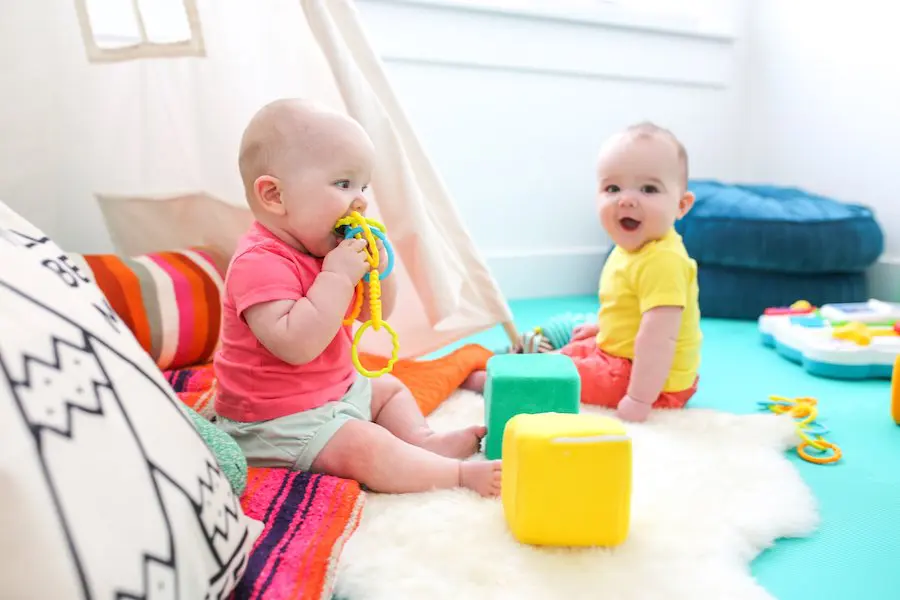
A lead-safe play area is not about expensive specialty products…
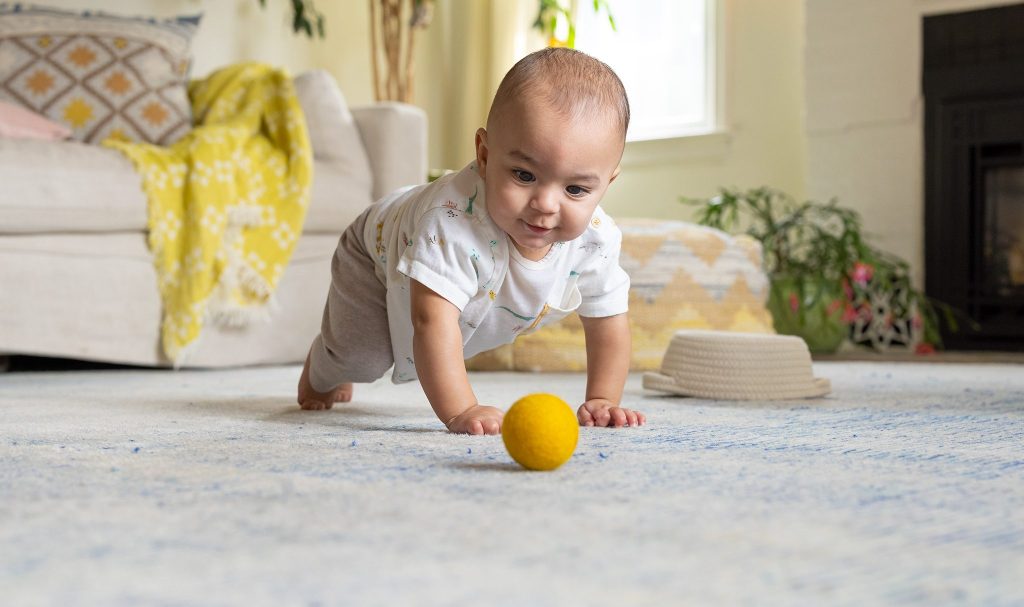
Crawling babies encounter lead risks adults never see because they…
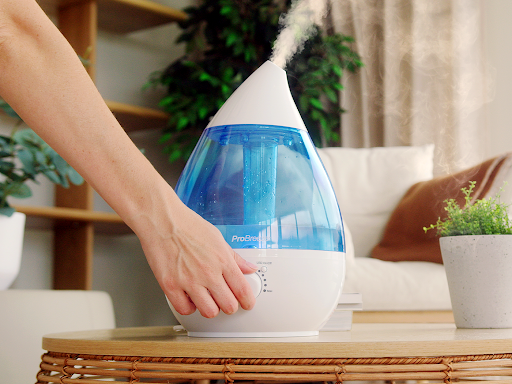
Humidifiers and nursery filters often make parents feel proactive, and…