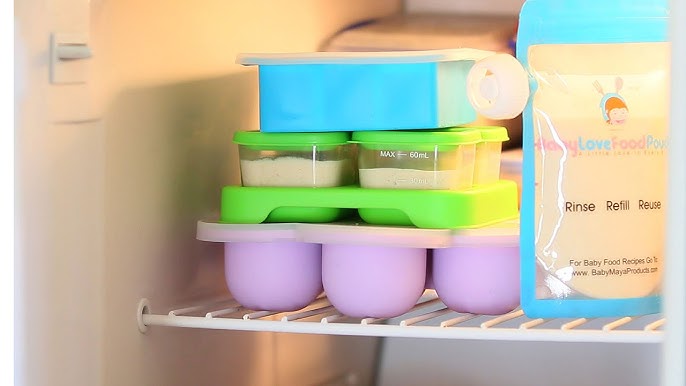
The safest way to store baby food to avoid contamination matters because storage materials matter because food-contact exposure can be quiet and repeated. In real family life, these concerns rarely arrive as neat textbook examples. They appear during bottle prep, morning cleanup, floor play, nursery planning, grandparents’ visits, or one stressful moment when something at home suddenly looks or feels different than expected. Safe storage is less about trend and more about using clean, food-safe containers with known materials. That is why this topic belongs in everyday prevention, not only in a crisis conversation.
A useful starting point is the most relevant section of the site together with the related parent guide. Those pages help families think in routes, routines, and contact points instead of vague fear. The safest choice is usually the simplest one: verified food-contact materials in good condition. The goal is not perfection. It is confidence built from realistic habits.
Why this issue comes up so often
Parents are usually dealing with repeated ordinary actions, not rare emergencies. They make bottles several times a day, wipe floors, buy small household items, visit relatives, wash toys, and adapt rooms as babies grow from lying still to crawling, chewing, and pulling up. That repetition is exactly why these questions matter. Lead exposure is often shaped by the ordinary path between the environment and the baby rather than by one dramatic event. The guidance at the broader health and prevention resources and the tools at the FAQ are useful because they keep the focus on practical prevention, not just on alarming possibilities.
What is actually happening behind the concern
Most of these issues come down to one of a few pathways: dust, water, food contact, older coatings, or accessible product materials. A family may notice discolored water, but the real question is whether the issue is visual rust, plumbing age, or a feeding routine problem. A child may chew on a toy, but the real question is what material or coating is accessible. A parent may want to clean or renovate, but the real question is whether the project creates hazardous dust. The official guidance most tied to this topic is helpful because it shows that the science is rarely mysterious. What is difficult is remembering to apply it in ordinary family routines.
Why babies and pregnant people change the stakes
These questions become more important in families with babies, toddlers, or expecting mothers because the body is more vulnerable and the routines are more repetitive. Babies crawl, mouth objects, drink formula, and spend more time on the floor. Pregnant people carry both their own exposure burden and the baby’s vulnerability in the background of every household decision. That is why the same chipped paint edge, old faucet habit, or decorative dish means something different in a baby household than it does in a room used only by adults.
How families usually misread the problem
Families often make one of two mistakes. They either assume every unusual surface, product, or water change means immediate danger, or they assume that if something looks clean and ordinary it must be harmless. Real prevention lives between those extremes. Cloudy water may be mostly harmless air bubbles. Brown water may be rust rather than lead, but still worth pausing over. A clean thrifted toy may still come from an era with different safety standards. A beautiful older apartment may still produce hazardous dust during a “small” home project. That is why the linked guidance section is most useful when families use it to slow down their first assumption and ask a more specific question.
What daily habits make the biggest difference
The most effective routines are often simple: use cold water for drinking and formula preparation, wet-clean floors and hard surfaces, wash hands before eating, clean toys often, avoid letting babies chew unknown painted or metal surfaces, and be cautious with old or imported food-contact items. If you live in an older home or visit one often, pay more attention to windows, trim, dusty corners, and “small” renovation work. If you are unsure about an item, reduce access first and figure the rest out second. For many families, the biggest shift comes from realizing that prevention is mostly about interrupting routes rather than trying to eliminate every theoretical hazard at once.
When to pause the routine and ask for help
If a painted surface is being chewed, if water is unexpectedly discolored during bottle prep, if a product recall applies to something a child uses, or if a home project may have disturbed old paint, that is a good moment to stop the normal routine briefly and make a more informed decision. Likewise, if you are pregnant, living in an older apartment, or worrying about repeat exposure rather than a one-time event, bringing the question to a clinician or pediatrician can be very appropriate. The contact page is useful when you want practical interpretation, and the public sources at CDC’s guidelines hub and EPA’s lead-safe home guidance are helpful when a household question begins to feel larger than day-to-day guesswork.
The practical takeaway
The safest way to store baby food to avoid contamination is ultimately a reminder that lead prevention works best when it is woven into everyday life. Storage materials matter because food-contact exposure can be quiet and repeated are not abstract public-health ideas. They are part of how families clean, feed, buy products, visit relatives, arrange play areas, and respond when something suddenly seems off. Once parents understand the route behind the concern, the next step usually becomes clearer—and a lot less overwhelming.