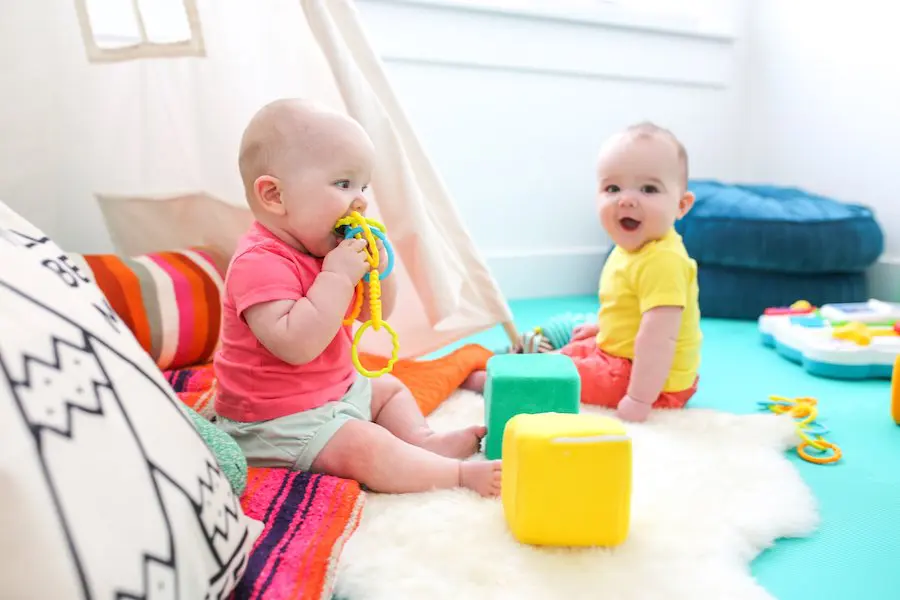
A lead-safe play area is not about expensive specialty products or a perfectly designed nursery. It is about reducing the number of ways dust, old paint, questionable products, and contaminated surfaces can enter a baby’s daily routine. Because babies and toddlers spend so much time on the floor, with their hands on toys and those toys in their mouths, the play area often becomes one of the most important spaces for lead prevention in the whole home. The key is to create a zone that is cleanable, low-dust, and free from older or uncertain surfaces that babies can chew, crawl across, or pull up on repeatedly.
The Home Products page is useful here because it helps parents think in terms of real contact points: floors, mats, toy surfaces, painted trim, windowsills, and reachable objects. The EPA also emphasizes reducing dust and maintaining painted surfaces, especially in homes built before 1978. A play area works best when it supports those habits instead of making them harder.
Start with the floor
The floor is the foundation of the play area because babies will spend more time touching it than almost any other surface. Choose a space that can be wet-cleaned easily and often. If you use a mat, make sure it is easy to wipe and does not trap dust underneath without regular cleaning. Avoid placing the play area right next to deteriorating windows, dusty radiators, high-traffic entries, or worn painted trim if possible.
The Lead Basics for Parents page is helpful because it reminds families that clean-looking and lead-safe are not always the same thing. A soft corner near old painted windows may feel cozy, but from a dust perspective it may not be the best main play zone.
Keep the play area simple enough to clean
A lead-safe play area is easier to maintain when it is not overloaded with hard-to-clean objects. Too many fabric bins, old decorative baskets, thrifted furniture pieces, or cluttered toy piles make it harder to wet-clean surfaces consistently. Simplicity matters because the more easily the area can be wiped, vacuumed with proper equipment, or wet-mopped, the more realistic it is to keep it safe over time.
The FAQ page is useful if you are trying to decide what belongs in the baby’s main floor-level space and what does not. In lead prevention, easier cleaning usually means better routine protection.
Choose chewable surfaces carefully
Babies do not only play with toys. They chew on furniture edges, rails, books, blocks, and whatever else they can reach. That means the play area should avoid older painted furniture, uncertain secondhand items with damaged coatings, and decorative objects that were never meant for mouthing babies in the first place.
Toys and books need regular rotation and cleaning
Because floor dust moves onto toys and then into mouths, toy cleaning is part of play-area design, not an afterthought. Wash or wipe toys regularly, especially those used during floor play. Be selective with thrifted toys and old books if their coatings, paint, or material history are uncertain. A toy that seems harmless on a shelf can become part of an exposure pathway if it spends all day in a dusty play zone and then gets chewed.
The Pregnancy & Baby Exposure page helps connect toy hygiene, floor play, and hand-to-mouth habits into one bigger prevention picture.
Windows, trim, and reachable paint deserve attention
If your play area is in an older home or apartment, do not ignore the architecture around it. Window troughs, sills, baseboards, door frames, and older trim can all become lead-dust sources if paint is deteriorating or friction is high. The safest play area is not only a clean rug in the middle of a room. It is a clean floor area surrounded by surfaces that are in good condition and regularly maintained.
The EPA’s lead-safe home guidance is especially important if your chosen play space is near windows or painted surfaces that show wear. In some cases, the right answer is not just more cleaning—it is changing the location of the play zone altogether.
Water, snacks, and handwashing should be built in
Play areas often become snack areas, bottle areas, and hand-to-mouth zones. That means it helps to think about handwashing and clean transitions as part of the setup. If the baby leaves the floor and goes straight to a snack or cup, that pathway matters. Make it easy to wash hands after play. Keep pacifiers and teething items off dusty surfaces when not in use. Treat the play zone as a place where contact accumulates quickly and should be interrupted regularly.
The Water & Formula Safety section is also relevant for families who prep bottles or feed in the same area, especially in older homes where both dust and plumbing habits need attention.
What a realistic lead-safe play area looks like
In real life, a lead-safe play area often means one easy-to-clean floor zone, a small number of washable toys, no older damaged painted objects within chewing range, regular wet-cleaning, clean baby hands before snacks, and awareness of what sits nearby. It does not need to be perfect or expensive. It needs to support the real routines the baby has every day.
If you want help thinking through your own layout, the contact page is the next step. For broader public guidance, the EPA’s practical lead-exposure reduction steps and the CDC’s lead prevention resources are useful references.
The takeaway
A lead-safe play area is really a low-dust, easy-to-clean, low-uncertainty zone where babies can crawl, mouth toys, and play without unnecessary contact with older paint, dust, or questionable products. The best setup is not the fanciest one. It is the one that makes safer routines easiest to repeat.
In lead prevention, the play area matters because it is where babies spend time, test the world with their hands and mouths, and turn ordinary room details into daily exposure pathways. Set that zone up well, and the whole home gets safer with it.