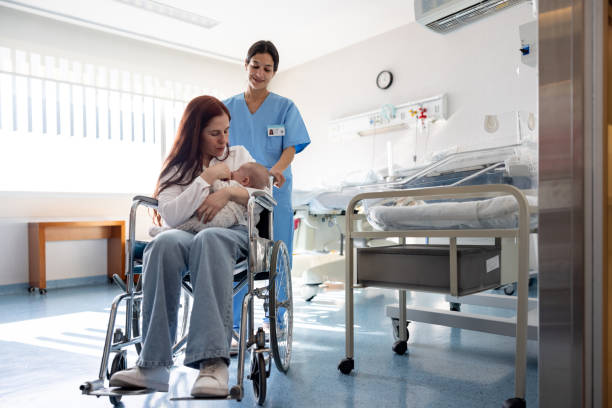
Bringing a baby home from the hospital is one of the most emotional moments for a family. Parents often think about the crib, diapers, clothes, bottles, swaddles, car seat, and first photos. But for families focused on lead prevention and environmental safety, home preparation also includes a quieter checklist: dust, paint, water, feeding setup, cleaning products, cookware, and the spaces where the baby will sleep, feed, and eventually play. A newborn will not crawl right away, but the home environment still matters from day one.
The goal is not to create a perfect house before discharge. New parents do not need a spotless nursery, expensive gear, or a full renovation. In fact, rushing last-minute repairs can sometimes create more dust and risk. The better goal is a calm, clean, lead-aware home that supports feeding, sleeping, diaper changes, and parent recovery. Families can start with lead basics for parents and then focus on the most practical steps before baby comes home.
Start With Lead-Safe Dust Control
Dust is one of the most important things to manage before bringing a baby home, especially in older homes or apartments. In homes built before 1978, old lead-based paint may still exist under newer paint. When paint cracks, peels, rubs, or is disturbed by repairs, it can create lead dust. The CDC explains that most lead in older homes comes from paint, and lead dust can be so fine that people may breathe it in without realizing it. The CDC also advises pregnant or breastfeeding people to leave the house during work that can create lead dust, such as sanding or scraping old paint. CDC pregnancy lead guidance is a useful reference for this step.
Before the baby comes home, use damp cleaning methods on floors, windowsills, baseboards, and entry areas. Avoid dry sweeping dusty areas because it can push fine particles into the air. If there was recent renovation, construction, sanding, drilling, or painting, take extra care. A baby’s first weeks may happen mostly in arms, bassinet, and feeding areas, but dust control now prepares the home for the months ahead.
Do Not Start Dusty Repairs at the Last Minute
Many parents feel pressure to finish every home project before birth. They may want to paint the nursery, sand trim, repair windows, refinish floors, replace cabinets, or scrape old surfaces. In older homes, this can be risky if lead paint may be present. The final weeks before birth are usually not the best time to begin dusty work unless it is handled professionally with lead-safe methods.
The EPA advises families to keep painted surfaces in good condition, clean up dust frequently with wet methods, and consult lead-safe certified professionals before renovation, repair, or painting projects that may disturb old paint. Its guide to protecting your family from sources of lead is especially helpful for older housing. If a repair is not urgent, it may be safer to postpone it than to create dust right before the baby arrives.
Check the Baby’s Sleep Area First
The baby’s sleep area should be simple, clean, and away from obvious dust sources. Check nearby windowsills, trim, peeling paint, radiators, baseboards, and floors. Do not place the bassinet or crib next to peeling paint, dusty window troughs, or surfaces that shed particles. If the nursery has older windows, wipe sills with a damp cloth and keep baby items away from those ledges.
Lead safety is only one part of sleep safety. The sleep space should also follow safe sleep guidance from your pediatrician or hospital. Keep the area uncluttered and easy to clean. A simple setup is often safer and easier than a decorated space filled with fabrics, baskets, and items that collect dust.
Prepare a Clean Feeding Station
Whether the baby is breastfed, formula-fed, combination-fed, or bottle-fed pumped milk, feeding supplies need a clean and organized space. Before the hospital return, choose one area for bottles, nipples, burp cloths, formula if used, pump parts if needed, and clean water routines. Wash feeding items according to medical or manufacturer guidance and keep them away from dusty windowsills, old shelves, and cleaning products.
If formula may be used, water preparation matters. The EPA says to use only cold water for drinking, cooking, and making baby formula, and notes that boiling water does not remove lead. It also recommends cleaning faucet aerators because sediment and lead particles can collect there. Families can review EPA’s basic information about lead in drinking water and the site’s water and formula safety page before the baby arrives.
Use Cold Water for Cooking and Formula Prep
If tap water will be used for cooking or formula preparation, use cold water and then heat it if needed. Do not use hot tap water for drinking, cooking, or formula. Hot water can pull more metals from plumbing materials in some homes. If water has been sitting in the pipes overnight or for several hours, let the cold tap run until the water becomes colder before using it, especially in older plumbing.
If the home has known lead plumbing concerns, a lead service line, old fixtures, or uncertain water quality, consider using a filter certified for lead reduction and maintain it exactly as directed. A filter only helps if it is the right type and the cartridge is replaced on schedule. If there is serious concern, water testing can help clarify the issue before the baby is relying on that water every day.
Clean Faucet Aerators
A faucet aerator is the small screen at the end of many faucets. It can collect sediment, debris, and particles over time. In older buildings or after plumbing work, the aerator may trap material that affects water flow or quality. Cleaning aerators before the baby comes home is a simple step many parents overlook.
Remove the aerator if the fixture allows it, rinse out debris, and reinstall it properly. If the aerator contains rust-colored particles or unusual buildup, take a photo and consider whether water testing or plumbing follow-up is needed. For formula preparation, the kitchen faucet should be as clean and predictable as possible.
Check Paint Around Windows, Doors, and Trim
Windows, doors, trim, and baseboards are common places for paint wear. In older homes, these friction surfaces can create dust when opened, closed, or bumped. Before baby comes home, inspect the areas near where the baby will sleep, feed, and be changed. Look for peeling paint, chips, powdery dust, cracked layers, or areas that rub.
If you see damaged paint in an older home, do not sand or scrape it yourself. Keep the baby’s items away from the area and ask for lead-safe repair. Renters should document the condition and contact the landlord or property manager in writing. Homeowners may need a certified lead professional or contractor trained in lead-safe work practices.
Create a Shoe-Off Entry Habit
Shoes can bring outdoor dust, soil, and street particles into the home. This matters more once the baby is crawling, but starting the habit early helps. Place a mat at the door, create a shoe tray, and keep indoor slippers or socks nearby. If stroller wheels are visibly dirty, wipe them before rolling through baby play areas.
EPA’s lead guidance includes frequent wet cleaning to minimize dust that may contain lead, and the CDC notes that young children are more likely to ingest lead dust through hand-to-mouth behavior. CDC’s childhood lead poisoning prevention overview explains why preventing exposure before harm occurs is the goal. A shoe-off routine is a small habit that helps reduce what comes inside.
Set Up a Safe Diaper Change Area
The diaper changing area should be stocked and easy to wipe. Keep diapers, wipes, diaper cream, spare clothes, hand sanitizer if needed, and a covered trash system nearby. Avoid setting up the changing area beside peeling paint, dusty window sills, or cluttered surfaces. Newborn care involves many diaper changes, so the cleaner and simpler this area is, the easier life becomes.
Use washable or wipeable surfaces when possible. Keep creams and personal care products out of reach of older siblings. If the home is older, wipe the floor around the changing station regularly with damp methods. A diaper area does not need to be fancy; it needs to be safe, organized, and easy to keep clean.
Store Cleaning Products and Chemicals Securely
Before the baby comes home, move cleaning sprays, laundry pods, dishwasher pods, disinfectants, pesticides, paint supplies, solvents, and personal care chemicals out of reach and preferably into locked storage. A newborn will not open cabinets yet, but safe storage should begin before parents are sleep-deprived and routines become harder.
Keep products in original containers with labels. Do not store cleaners near bottles, formula, pump parts, or baby dishes. Do not mix cleaning products. Choose simple cleaning habits that reduce dust and germs without filling the home with strong fumes. Families can review home products to think about common household items that may deserve extra caution.
Prepare Baby Laundry Without Overcomplicating It
Baby laundry does not need to be complicated, but it should be clean and practical. Wash newborn clothes, sheets, burp cloths, blankets, and towels before use. Store clean items in drawers, bins, or baskets away from dusty windows and old painted surfaces. If a drawer or closet smells musty or dusty, clean it before placing baby items inside.
Use a detergent that works for your family and does not irritate the baby’s skin. Avoid strong scent boosters if they bother anyone in the home. Keep laundry products stored safely. If the home has had recent renovation dust, rewash baby items that were exposed before the baby uses them.
Be Careful With Vintage and Hand-Me-Down Items
Hand-me-downs can be helpful, but older items deserve a closer look. Vintage painted furniture, old cribs, antique toys, ceramic dishes, and decorative pieces may have lead paint or unsafe materials. Baby furniture should meet current safety standards, and painted vintage pieces should not be sanded or used if paint is damaged or unknown.
This is especially important with items the baby may later mouth or touch often. A decorative family item can be kept as a memory without becoming part of the baby’s daily environment. Sentimental does not always mean safe for infant use.
Check Cookware and Food-Contact Items
Before the baby arrives, review the items used for cooking and serving food in the home. Avoid using cracked ceramic, unknown imported pottery, decorative dishes, or chipped vintage dishware for food, especially acidic foods. Use reliable cookware and food-safe containers for daily meals.
This matters during pregnancy and postpartum because the parent’s nutrition supports recovery and feeding. It also matters later when baby food, formula prep, and family meals become part of the routine. If a dish is labeled decorative or not for food use, keep it away from meals. Safer food-contact habits now make the transition to baby feeding easier.
Plan a Low-Dust Cleaning Routine
The first weeks home are not the time for complicated cleaning systems. Create a simple routine: damp wipe high-use surfaces, wet mop floors, keep windowsills clean, empty trash, wash feeding supplies, and keep baby areas uncluttered. If you have help, ask someone to handle dust control, laundry, dishes, and trash rather than holding the baby the whole time.
Lead prevention depends on repeated small habits. CDC says there is no safe level of lead in blood and that children can ingest lead dust by putting objects and hands in their mouths. That is why a cleanable home matters. Parents do not need perfection. They need practical routines that continue after visitors leave.
Ask About Pediatric Lead Screening Early
Before leaving the hospital or during the first pediatric visits, ask when lead screening is recommended for your baby. Screening timing can depend on location, housing age, Medicaid status, risk factors, and local requirements. If you live in older housing, have renovation exposure, or have water or product concerns, mention that to the pediatrician.
The site’s pediatric guidance page can help families prepare questions for the doctor. Lead exposure often has no obvious symptoms at first, so testing and risk screening matter more than waiting for signs.
Prepare for Parent Recovery Too
A lead-aware home should also support the recovering parent. Keep water, snacks, medications, feeding supplies, and postpartum items within easy reach. Make sure the parent is not expected to clean renovation dust, move heavy furniture, or manage repairs immediately after birth. If someone else can wet-mop, clean windowsills, wash bottles, or handle trash, let them.
The safest home is not only one with fewer hazards. It is also one where the adults have enough support to maintain safe routines. Exhausted parents are more likely to skip steps, use whatever water is fastest, or leave supplies scattered. Organization is part of prevention.
What Not to Do Right Before Baby Comes Home
Do not sand old paint. Do not scrape windows or trim. Do not start dusty renovations. Do not dry sweep renovation dust. Do not place the crib near peeling paint or dusty windows. Do not use hot tap water for formula or cooking. Do not rely on boiling to remove lead. Do not use questionable ceramics for food. Do not store cleaning products near feeding supplies.
Also, do not panic if everything is not perfect. Focus on the highest-impact areas: sleep space, feeding water, dust control, paint condition, safe storage, and clean baby supplies. Those steps matter more than decorative finishing touches.
The Bottom Line
Preparing your home before bringing baby back from the hospital means creating a clean, calm, lead-aware environment. Focus on damp dust control, safe sleep placement, cold-water habits, clean feeding supplies, aerator cleaning, paint checks, shoe-off entry routines, secure chemical storage, safe cookware, and practical pediatric questions. Avoid last-minute dusty repairs in older homes, and ask for lead-safe help when paint or renovation concerns exist.
Your baby does not need a perfect home. Your baby needs a safe place to sleep, clean feeding routines, reduced dust, careful water habits, and adults who know what to watch for. Lead prevention works best when families take calm steps before the baby arrives, then repeat those habits as the baby grows from newborn to crawler to curious toddler.